Clinical Study

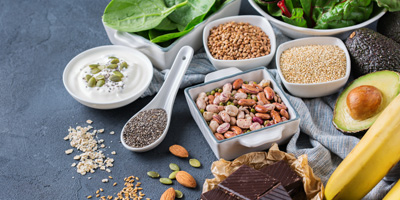
Variety of foods that contain Magnesium

Magnesium

Magnesium is a mineral that is important for a variety of bodily functions, including maintaining strong bones, regulating heart rhythm, and supporting the immune system. Vitamin K2 and Magnesium should be supplemented together with Vitamin D3, in order to prevent long-term health-risk and improve immunoregulatory effects based on a causal loop diagram. Magnesium activates protein kinases, stimulates T-cell receptors and production by generating ATP, controls cell membrane inflammation, has vasodilatory and antithrombotic effects, and supresses the cytokine storm. It can be used against migraine headache, metabolic syndrome, diabetes, hyperlipidemia, asthma, premenstrual syndrome, preeclampsia, various cardiac arrhythmias, prevention of renal calculi and cataract formation, and as an adjunct or treatment for depression.

Magnesium Read More »

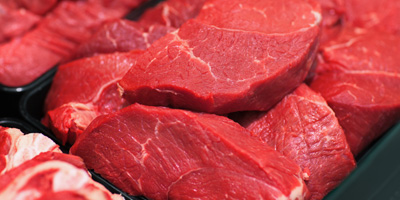
Meat for vitamin k2

Vitamin K2

A type of vitamin found in animal-based foods such as meat, cheese, and eggs, as well as fermented foods like natto. It is important for blood clotting and bone health. Vitamin K2 and Magnesium should be supplemented together with Vitamin D3, in order to prevent long-term health-risk and improve immunoregulatory effects based on a causal loop diagram. Vitamin K2 is anticancer, antineoplastic, and together with vitamin D3 is beneficial for bone and cardiovascular health.

Vitamin K2 Read More »

fish, cheese, and mushrooms for vitamin d3

Vitamin D3

A type of vitamin that the body can produce when exposed to sunlight, and is also found in certain foods such as fatty fish and mushrooms. It helps with calcium absorption and maintaining strong bones. It is anti-viral (against e.g. SARS-CoV-2 virus), anti-inflammatory, plays a major role regulating the immune system. Vitamin D3 deficiency may confer increased risk of influenza, respiratory tract infection and HIV infection. Vitamin D3 improves circulation and may prove to be beneficial in the treatment of hypertension and other cardiovascular diseases, including heart failure, myocardial infarction, vasculopathy, stroke and diabetes.

Vitamin D3 Read More »

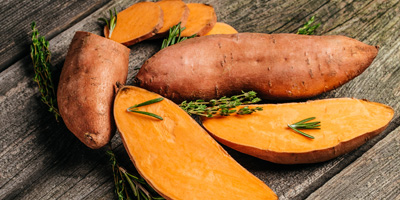
Sweet Potatoes for vitamin a

Vitamin A

An essential nutrient found in various foods such as carrots, sweet potatoes, and milk. It is important for maintaining healthy vision, skin, and immune function. It is anti-viral (against e.g. SARS-CoV-2 virus), and enhances the innate immune response against pathogens by acting on the major cellular subsets and inducing the release of pro-inflammatory cytokines and antimicrobial peptides, minimize the damage caused by the activation of the immune system against pathogens, reducing the oxidative damage, influencing the antigen presentation, enhancing the differentiation and proliferation of regulatory T cells, driving the differentiation of lymphocyte subsets, and modulating the production of pro-inflammatory cytokines.

Vitamin A Read More »

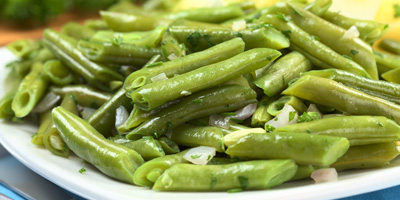
Green Beans for Zinc

Zinc

A mineral that is important for the functioning of the immune system, taste perception, and wound healing. It can be found in foods such as oysters, beef, and beans. It is anti-viral (against e.g. SARS-CoV-2 virus), and can be used against cardiovascular diseases, affects the heart by modulating cardiomyocyte oxidative stress and maintaining myocardial structure, among other mechanisms.

Zinc Read More »

Black pepper kernels and crushed

Piperine

A compound found in black pepper that has been shown to enhance the absorption of certain nutrients and has potential benefits for digestion and metabolism. It increases 20 times the bioavailability of curcumin and significantly improves all benefits of curcumin.

Piperine Read More »

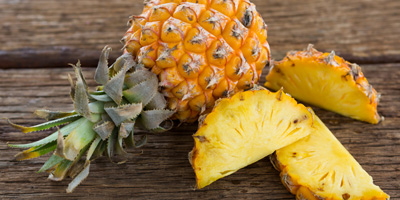
Pineapple as a source for bromelain

Bromelain

An enzyme found in pineapples that has anti-inflammatory and digestive benefits. It is anti-viral (against e.g. SARS-CoV-2 virus), anti-inflammatory, anticancer, antiedematous, with fibrinolytic activity and can be used against cardiovascular diseases, blood coagulation, fibrinolysis disorders, angina pectoris, bronchitis, sinusitis, surgical trauma, osteoarthritis, diarrhea, thrombophlebitis, debridement of wounds, and enhanced absorption of drugs, particularly antibiotics.

Bromelain Read More »

Amino Acids

N-Acetyl Cystein

A type of amino acid that has antioxidant properties and can help break down mucus in the body. It is anti-viral (against e.g. SARS-CoV-2 virus), anti-stroke, anti-thrombosis in diabetes, and can be used to create and repair myelin in patients with multiple sclerosis (MS). MS is a neurological disorder associated with white and gray matter injury significantly due to autoimmune mediated inflammation processes.

N-Acetyl Cystein Read More »

Powerdered curcumin

Curcumin

A yellow pigment found in turmeric, a spice commonly used in cooking. It is known for its anti-inflammatory and antioxidant properties. It is anti-viral (against e.g. SARS-CoV-2 virus, influenza viruses, hepatitis C virus, HIV virus), anti-microbial (Staphylococcus, Streptococcus, and Pseudomonas), anticancer, anti-inflammatory, anti-diabetes, anti-angiogenic, anti-neoplastic, and can be used against autoimmune, obesity, pulmonary, neurological and cardiovascular diseases, cardiac hypertrophy, heart failure, drug-induced cardiotoxicity, myocardial infarction, atherosclerosis, abdominal aortic aneurysm, stroke and diabetic cardiovascular complications.

Curcumin Read More »

A variety of berries

Quercetin

A type of antioxidant commonly found in fruits and vegetables, especially in apples, red grapes, and berries. It has anti-inflammatory and anti-allergic effects. It is anti-viral (against e.g. SARS-CoV-2 virus), anti-inflammatory, antioxidant, anti-diabetes, antihypertensive, and can be used against cardiovascular diseases, atherosclerosis, endothelial cell dysfunction, heart failure and cytokine storm.

Quercetin Read More »

Scroll to Top